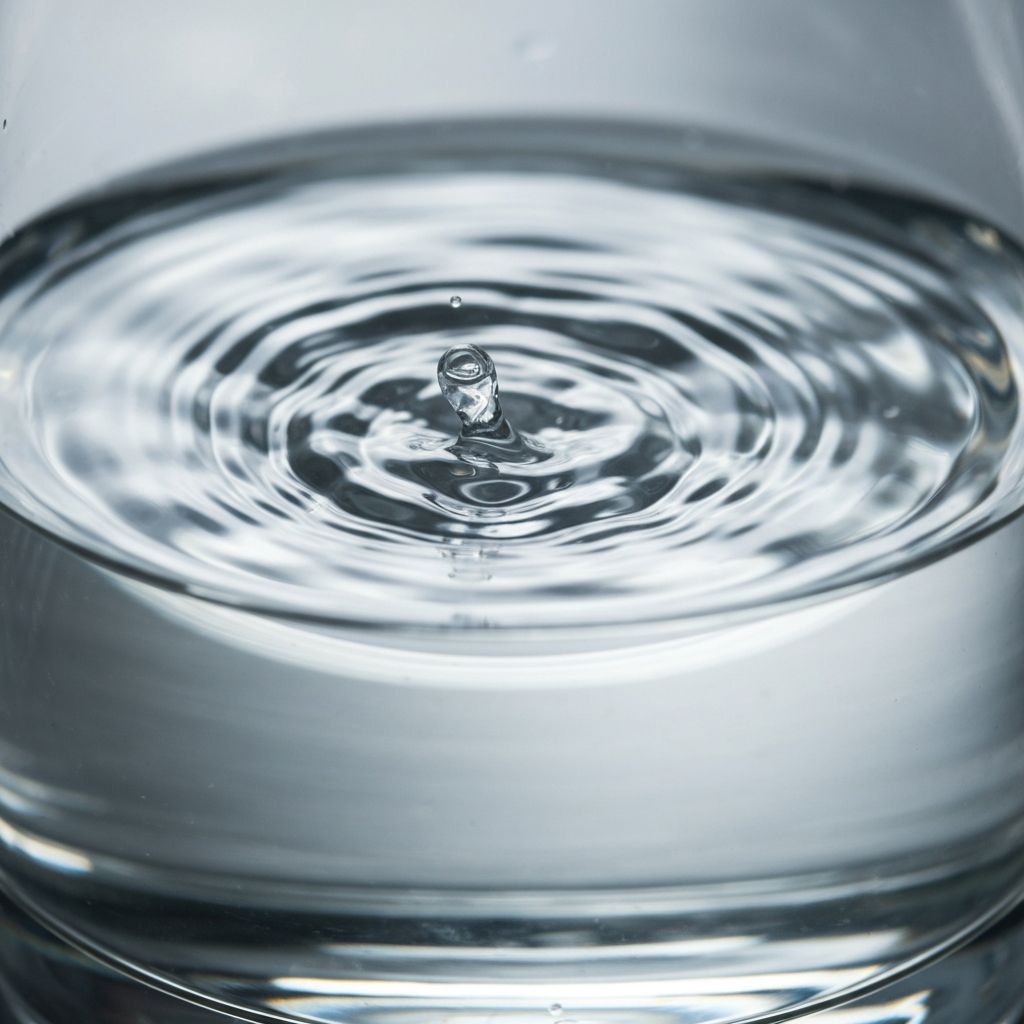
Clear water surface with gentle ripples

Examining Hydration's Physiological Links to Energy Regulation

Educational content only. No promises of outcomes.

This resource explores the scientific understanding of how water intake, fluid balance, and metabolic processes interact within the human body. All information is presented for educational purposes.

Water in Metabolic Processes

Water serves as a fundamental medium for biochemical reactions throughout the body. It functions as a solvent for nutrients, minerals, and oxygen transport, enabling metabolic pathways that sustain cellular energy production. The role of water in facilitating enzymatic reactions and maintaining osmotic balance is central to understanding physiological energy dynamics.

Proper hydration status influences the efficiency of metabolic reactions, though individual responses vary considerably based on factors such as baseline fitness level, acclimatization, and personal physiology.

Water droplets on glass surface

Water-Induced Thermogenesis

Short-term studies have documented observations of increased energy expenditure following water consumption, a phenomenon referred to as water-induced thermogenesis. This effect appears temporary and modest in magnitude, reflecting the body's metabolic cost of processing ingested fluid.

The thermogenic response to water varies among individuals and depends on factors including water temperature, baseline metabolic rate, and individual physiology. Current research emphasizes the variability in these responses rather than a universal outcome.

Blue light refracting through water

Thirst vs Hunger Signal Differentiation

The human body processes thirst and hunger signals through overlapping physiological mechanisms. Both dehydration and low energy availability can trigger appetite responses. Understanding this distinction is important because mild dehydration may be perceived as hunger, potentially leading to increased food intake when fluid intake alone might address the underlying signal.

Individual variability in thirst perception means that some people are naturally more attuned to early dehydration signals, while others may not perceive thirst until more significant fluid loss has occurred.

Hydration Status and Subjective Appetite

Short-term studies examining the relationship between fluid intake and appetite ratings have shown that increased hydration status can influence subjective feelings of fullness. These studies typically measure hunger ratings or energy intake in controlled laboratory settings over brief periods.

The findings suggest that adequate hydration may modulate appetite perception, though the magnitude of effect varies significantly between individuals. Long-term dietary patterns and overall energy density of consumed foods remain primary factors in overall energy balance.

Water surface with ripples and light reflections

Gastric Distension and Meal Volume

Water contributes to gastric distension—the physical stretching of the stomach—which triggers satiety signals. Consuming fluid alongside meals increases total meal volume without adding significant energy density, which may enhance feelings of fullness and potentially reduce subsequent energy intake in short-term observations.

The practical significance of this mechanism depends on overall dietary composition and eating patterns. Water from beverages acts differently than water contained within food matrices, which may influence both digestion and satiety perception.

Glass carafe with clear water

Fluid Balance and Energy Density

The relationship between hydration status and energy density reflects broader nutritional patterns. A balanced fluid intake supports normal metabolic function, but fluid alone does not determine overall energy balance. Total dietary energy density—the concentration of calories per unit of food or beverage—remains the primary determinant of energy intake over time.

Consuming lower-energy-density foods and beverages, of which water is the lowest, may support overall dietary patterns that feel satisfying while maintaining energy balance.

Sources of Daily Water Intake

Daily fluid intake comes from multiple sources: drinking water and other beverages, and water content within foods such as fruits, vegetables, soups, and prepared meals. Approximately 20-30% of daily water intake typically comes from food sources. The physiological effects of water may differ depending on whether it is consumed as a beverage or obtained through food, due to differences in gastric transit time and nutrient interactions.

Individual Variability in Hydration Needs

There is considerable individual variation in daily fluid requirements and physiological responses to different hydration statuses. Factors influencing hydration needs include age, body composition, activity level, climate, health status, and genetic predisposition to thirst perception. No single fluid intake target applies universally to all individuals.

Thirst remains a reliable indicator of hydration for most healthy individuals in temperate climates, though certain populations (older adults, athletes) may benefit from more intentional attention to fluid intake.

Frequently Asked Questions

How much water should I drink daily?

Daily fluid requirements vary based on individual factors including age, sex, activity level, climate, and health status. General guidelines suggest approximately 15.5 cups (3.7 liters) for adult men and 11.5 cups (2.7 liters) for adult women from all beverages and food. However, individual needs differ significantly, and thirst remains a reliable indicator for most healthy people.

Is it true that drinking water can increase energy expenditure?

Short-term studies have documented modest increases in energy expenditure following water consumption, a phenomenon called water-induced thermogenesis. However, this effect is temporary and relatively small. The magnitude varies between individuals based on factors such as water temperature and baseline metabolism. It should not be considered a primary mechanism for influencing overall energy balance.

Can drinking water help me distinguish between thirst and hunger?

Thirst and hunger signals overlap physiologically, and mild dehydration can be perceived as hunger. Some people find that drinking water when experiencing appetite helps clarify whether they were actually thirsty or hungry. However, this varies significantly between individuals. Paying attention to your body's signals and eating patterns is more relevant than any single strategy.

Does water consumed with meals promote fullness differently than water between meals?

Water consumed with meals increases total meal volume and can enhance satiety signals through gastric distension. However, water consumed separately from meals provides hydration without the same fullness effect. Research on this distinction is limited, and individual responses vary based on meal composition and personal physiology.

How does water from beverages differ from water in foods?

Water from beverages is absorbed more rapidly than water contained within solid foods due to differences in gastric transit time and nutrient interactions. This may influence both digestion and satiety perception. Approximately 20-30% of daily water intake typically comes from food sources, which contribute both fluid and other nutrients.

What role does water play in metabolism?

Water is essential for all metabolic processes. It serves as a solvent for nutrients, facilitates enzymatic reactions, enables nutrient transport, and supports temperature regulation. Dehydration impairs metabolic efficiency, while adequate hydration supports normal metabolic function. The relationship between hydration and metabolism is complex and varies based on individual physiology.

Are there individual differences in how people respond to fluid intake?

Yes, significant individual variation exists in thirst perception, hydration needs, and physiological responses to changes in fluid status. Factors including age, body composition, activity level, genetics, and health status influence these responses. What works for one person may not apply universally to others.

Can dehydration affect my perception of hunger?

Mild dehydration can influence appetite perception because thirst and hunger signals overlap physiologically. Some people experience increased appetite during mild dehydration. However, individual responses vary, and the practical significance depends on overall dietary and hydration patterns.

Does the temperature of water matter for hydration or metabolism?

Water temperature may influence the thermogenic effect of water consumption, with some evidence suggesting cold water produces a slightly greater metabolic response than room-temperature water. However, any difference is small and temporary. The primary importance of water, regardless of temperature, is maintaining proper hydration status.

Is there scientific evidence for specific hydration strategies?

Research has documented physiological mechanisms linking hydration to various processes including thirst perception, appetite regulation, and metabolic function. However, evidence for specific hydration strategies producing definitive outcomes varies in quality and magnitude. Individual experimentation and attention to personal hydration needs remain important.

How does fluid balance influence overall energy regulation?

Fluid balance supports normal metabolic and physiological function, including energy production and appetite regulation. Dehydration impairs these processes, while adequate hydration allows them to function optimally. However, fluid balance alone does not determine overall energy balance—dietary composition and total energy intake remain primary factors.

What should I know about hydration and individual physiology?

Individual differences in genetics, baseline fitness, age, body composition, and health status create considerable variation in how people respond to hydration changes. General guidelines provide starting points, but personal observation and attention to how your body responds to different fluid intakes is valuable. Consult healthcare providers for personalized guidance.

Continue Exploring Fluid Balance Topics

Discover more detailed explanations and research summaries in our articles section.

View All Articles

Educational Content Disclaimer

Information Scope: This website provides educational information about hydration physiology and its relationship to energy regulation processes. All materials are presented for informational purposes only.

No Personal Recommendations: Information presented here does not constitute medical, nutritional, dietary, or health advice. No individualized recommendations are provided through this resource.

Variability in Responses: Individual responses to hydration changes vary significantly based on genetics, health status, age, activity level, and many other factors. No outcomes should be assumed to apply universally.

Professional Guidance: For personalized guidance regarding your hydration practices, fluid intake, or any health-related concerns, consult with qualified healthcare professionals.